
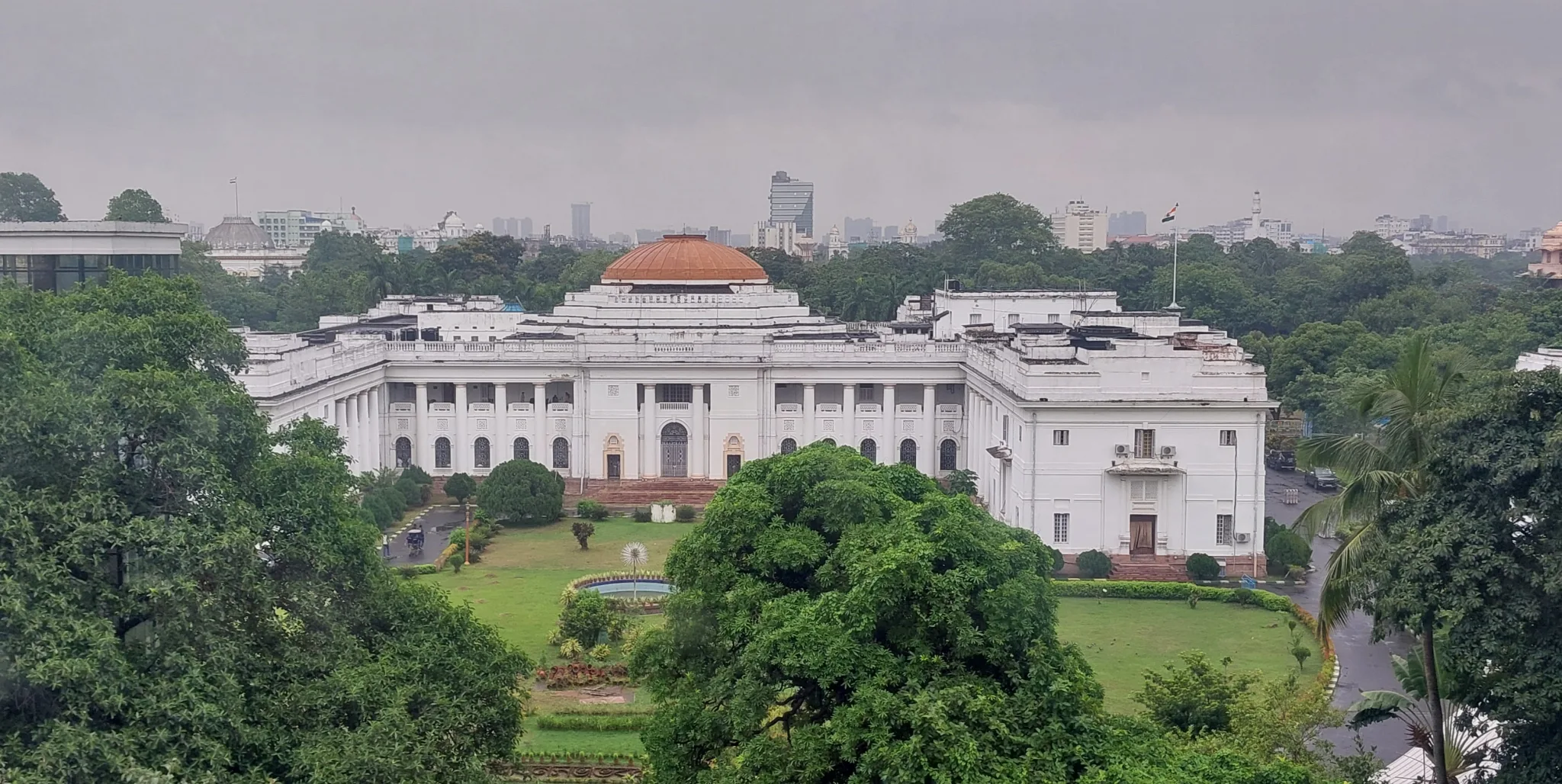
November 26: West Bengal is again trying to change its name, and this time the state government and the Centre are run by the same party.
On November 23, the cabinet led by Chief Minister Suvendu Adhikari approved a proposal to rename the state Poschim Bongo (spelt "Paschim Banga" in the cabinet proposal). The name would be the same in English, Bengali and Hindi. A resolution will be tabled in the Legislative Assembly on December 9, during the winter session that runs from December 4 to 14.
If it goes through, it will end a debate that has outlasted three governments and four rejected proposals.
Why "West" in the first place: a story told in maps
The word "West" is a leftover from Bengal's two partitions.
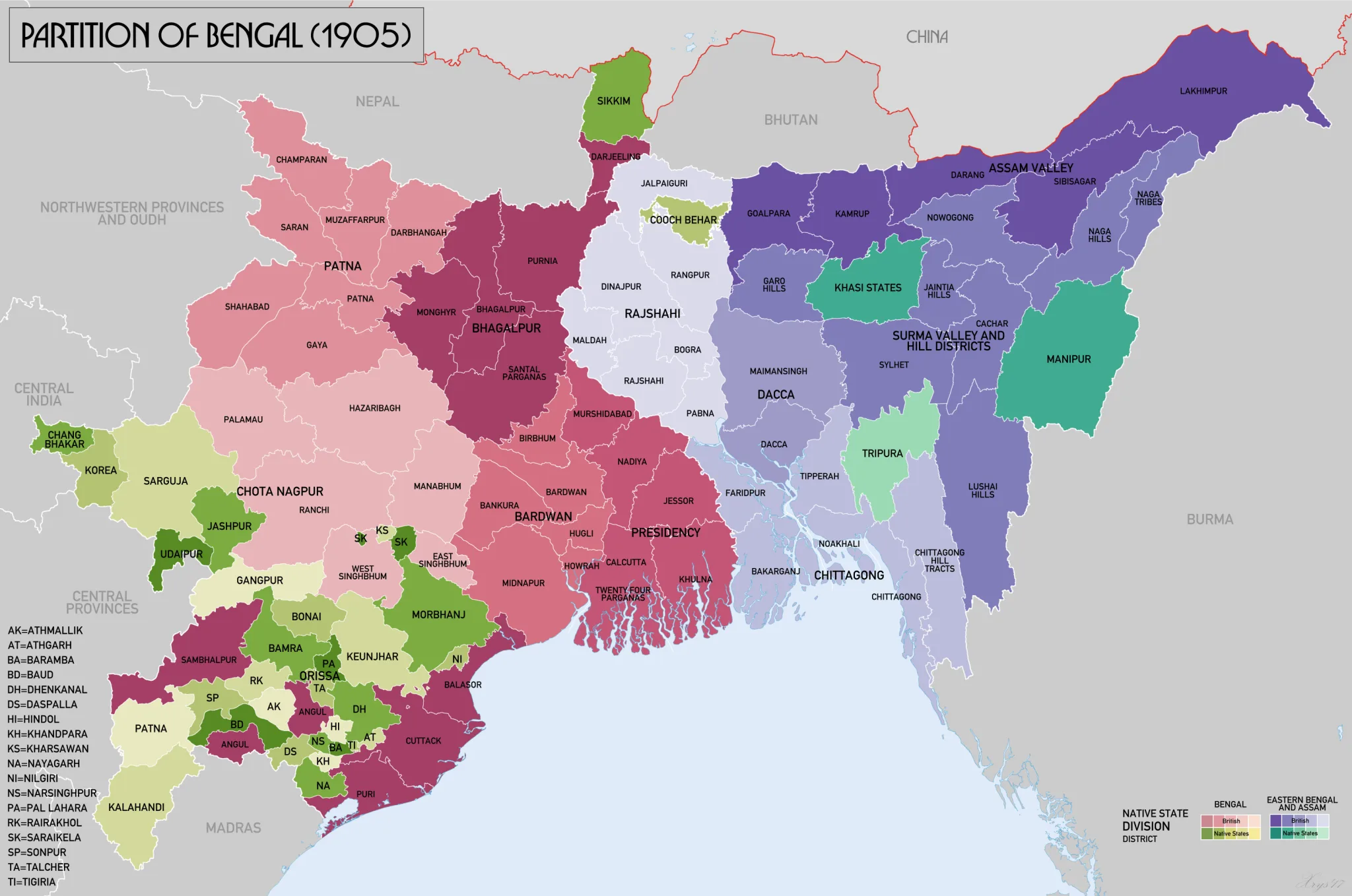
The first came in 1905, when Viceroy Lord Curzon split the Bengal Presidency into two provinces: a western Bengal, and a new province of Eastern Bengal and Assam with Dhaka as its capital. The move set off the Swadeshi movement, and the British reversed it in 1911. The province was reunited the following year.
The second partition, in 1947, was permanent. On June 20 that year, members of the Bengal Legislative Assembly voted on dividing the province. Legislators from the Hindu-majority western districts voted for their region to stay with India. In August, the boundary drawn by Sir Cyril Radcliffe's commission (the Radcliffe Line) gave the western part to India as West Bengal. The eastern part went to Pakistan as East Bengal.
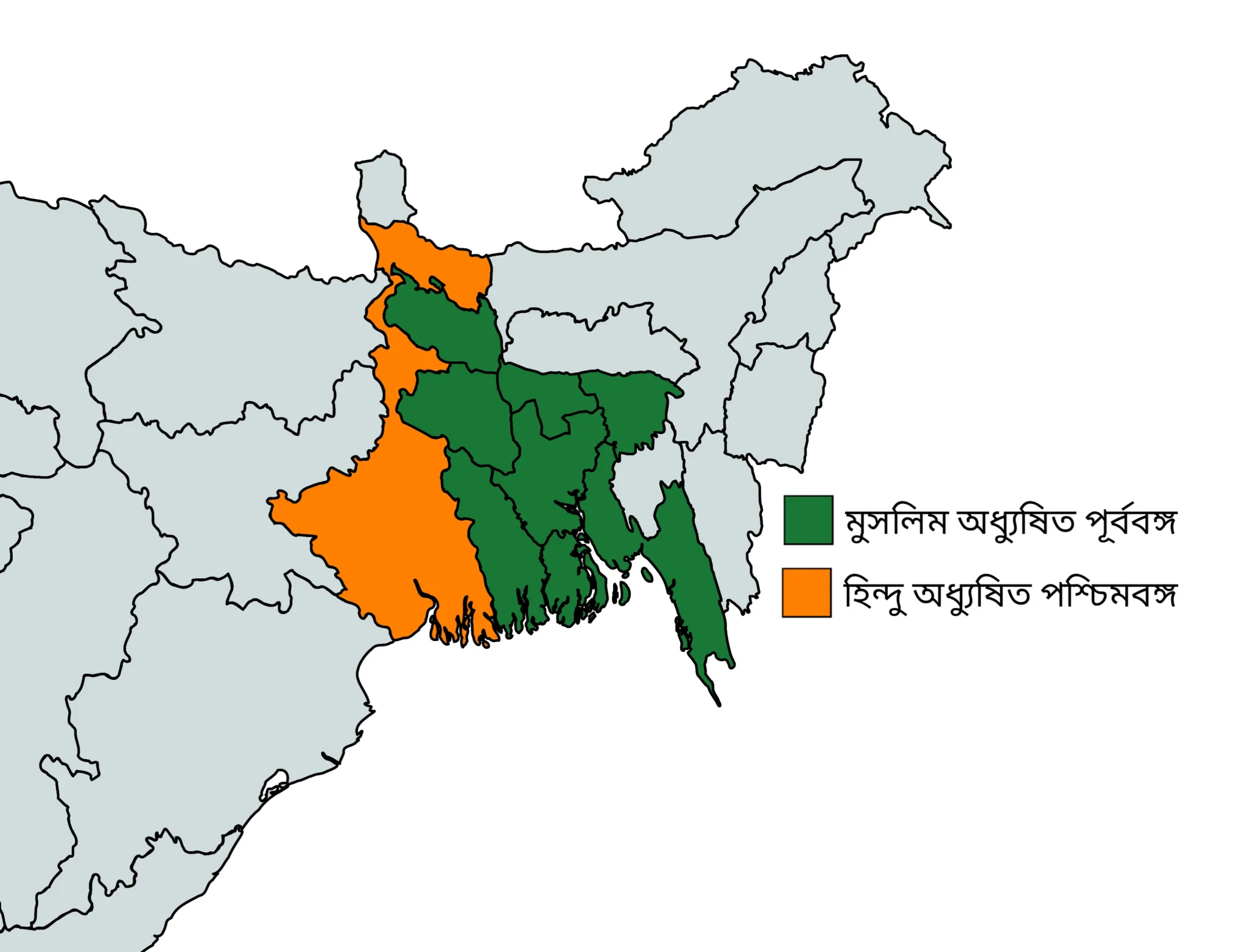
East Bengal became East Pakistan in 1955 and the independent nation of Bangladesh in 1971. That left India's Bengal with a direction in its name but no "East" to balance it. Critics have called the word "West" a historical leftover ever since.
Attempt 1 (1999): The Left Front
The Left Front government led by Jyoti Basu first raised the issue of renaming the state in 1999. At the time, Atal Bihari Vajpayee's NDA government was in power at the Centre, and the name was not changed.
Attempt 2 (2011): Mamata Banerjee's first year
After the Trinamool Congress ended 34 years of Left rule in 2011, the Mamata Banerjee government revived the idea. The Assembly unanimously passed a resolution for "Paschimbanga", and the CPI(M)-led opposition supported it. The UPA government at the Centre turned it down.
Attempt 3 (2016): Three names, three languages
In 2016, the Trinamool government changed course and dropped "West" altogether. The Assembly proposed "Bangla" in Bengali, "Bengal" in English and "Bangal" in Hindi. The Union Home Ministry rejected the plan because a state needs one name that works in every language.
Attempt 4 (2018): "Bangla"
In July 2018, the Assembly unanimously backed a single name, "Bangla", in all three languages. This proposal ran into its biggest hurdle: the name was close to "Bangladesh", and the Centre flagged the risk of diplomatic confusion. In 2019, the Centre withheld approval.
Trinamool kept raising the demand. In February 2026, after the Centre approved Kerala's request to become "Keralam", Mamata Banerjee accused the Union government of ignoring Bengal's repeated resolutions.
The alphabet argument
The issue has also been a practical one. Lists of states are often arranged alphabetically in English, so "West Bengal" comes last among India's 28 states. Mamata Banerjee often complained that this left the state speaking at the end of national meetings. As "Poschim Bongo", the state would move to 20th place, between Odisha and Punjab.
What changed in 2026
The BJP won the 2026 Assembly election with 207 seats, ending 15 years of Trinamool rule. Suvendu Adhikari was sworn in as the state's first BJP Chief Minister on May 9.
The BJP had rejected Trinamool's "Bangla" proposal. In October, state BJP president Samik Bhattacharya said the government would bring a bill to rename the state "Paschim Banga", arguing that the name ties the state to its history. The cabinet decision followed on November 23. The government links the name to the 1947 partition, and the state now marks June 20, the day of the 1947 Assembly vote, as Paschim Banga Divas.
The new name keeps "Poschim" (West), the word every earlier proposal since 2016 tried to drop. Supporters say it preserves the memory of how the state was born. Earlier critics of the "Paschim" form argued that once East Bengal ceased to exist, there was no reason to keep calling the state "West".
What happens next
An Assembly vote alone will not change the name. Under Article 3 of the Constitution, only Parliament can rename a state, by passing a law that amends the First Schedule, the list of all states. After the Assembly passes the resolution, it goes to the Union Home Ministry, then to the Union Cabinet, and then to both Houses of Parliament, where a simple majority is enough.
The most recent precedent is Kerala. Its Assembly asked for the name "Keralam" in June 2024, and Parliament passed the bill in August 2026, about 26 months later.
Until Parliament acts, the state's official name remains West Bengal.